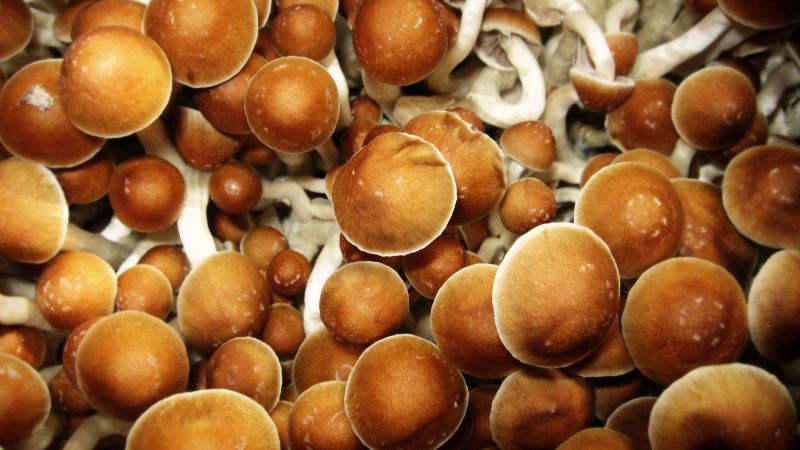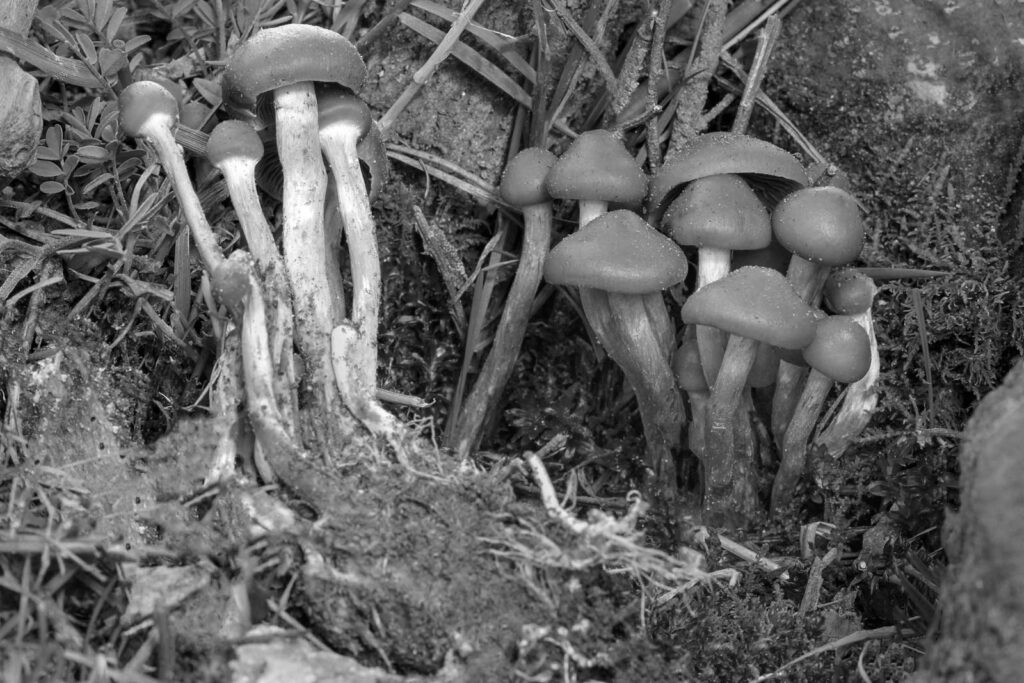
In recent years, there has been a significant increase in attention surrounding psilocybin, particularly in relation to its potential benefits for veterans grappling with post-traumatic stress disorder (PTSD). The challenges faced by these individuals extend far beyond the physical scars of war; the emotional and psychological impacts can be profound and enduring. Navigating PTSD can often feel overwhelming, akin to trying to climb a daunting mountain with inadequate footwear. However, emerging research indicates that psilocybin, a compound found in certain types of mushrooms, may offer a promising avenue for healing.
Psilocybin interacts with the brain’s serotonin receptors, facilitating a process that promotes neuroplasticity and introspection. This can be likened to a mental decluttering, allowing veterans to confront difficult memories and experiences. The psychedelic experience associated with psilocybin can lead to significant emotional breakthroughs, fostering a sense of connection reminiscent of reuniting with a close friend after a long separation. Such connections are vital for individuals processing their symptoms and the traumatic events that contributed to their distress.
One of the notable attributes of psilocybin is its ability to enhance empathy and connection, not only with oneself but also with others. It can create a profound sense of shared experience, akin to reconnecting with old friends who have faced similar challenges. This communal understanding can alleviate feelings of loneliness, which are often prevalent among those dealing with PTSD. Rebuilding connections and camaraderie among veterans is essential, as these relationships provide social support akin to a comforting presence during difficult times.
Clinical research has demonstrated that psilocybin can significantly reduce PTSD symptoms, with effects that may persist long after treatment. This paves the way for a new frontier in treatment approaches, harnessing the mind’s inherent capabilities for healing rather than solely relying on traditional pharmaceuticals, which may lead to undesirable side effects.
When integrated with conventional therapies such as cognitive behavioral therapy, psilocybin therapy can enhance treatment outcomes, much like adding an appealing topping to a favorite dessert. The insights and perspective gained during psilocybin experiences empower veterans to address and reframe their trauma, resulting in meaningful and lasting changes in their lives.
As research progresses and societal perceptions of psychedelics evolve, the potential for psilocybin to revolutionize treatment options for veterans with PTSD is becoming increasingly apparent. Embracing progressive mental health solutions is critical, and psilocybin may represent a significant advancement in the search for effective therapies.
In summary, the potential advantages of psilocybin for veteran mental health, particularly in addressing PTSD, are both intriguing and essential. Rethinking the healing process to include such innovative therapies could profoundly impact countless lives, enabling veterans to reclaim their sense of peace and purpose in a society that honors their sacrifices.